
We continue our recognition of Black History Month by elevating the voices of our team members who share their reflections and experiences in the spirit of celebrating workplace diversity, continuing our collective education and advancing a culture of belonging.
Members of a Team Member Resource Group called BRIDGE, or the Black Resource Initiative for Development, Growth and Equity, co-created this year’s Black History Month observation.
This week, three team members share what inspires them as well as how Black and African American labor has supported support social justice, liberation, and resistance.
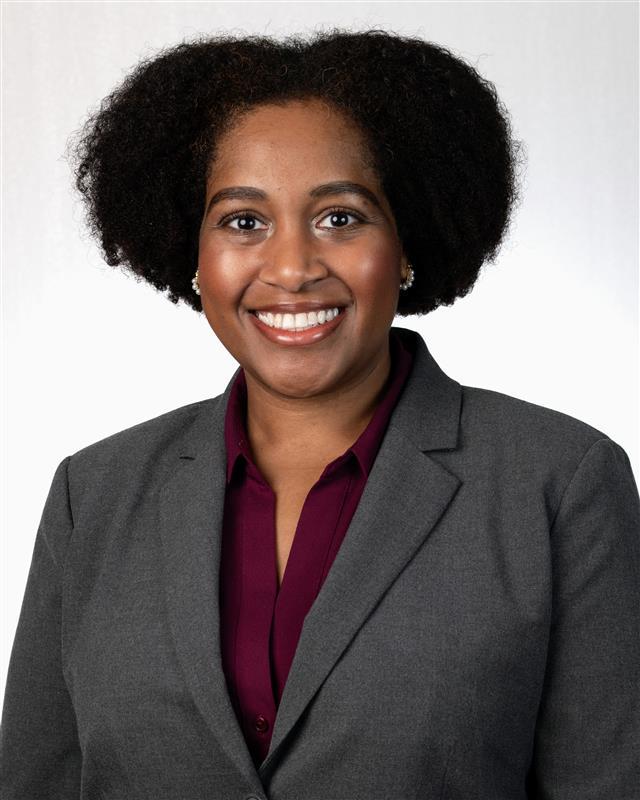
Dr. Akia Caine, surgeon
What Black and African American laborer in health care/medicine or other professional field inspires you and why?
Dr. Hughenna L. Gauntlett was the first Black woman to be certified by the American Board of Surgery in 1968. Already a pioneer as the only Black woman in her medical school class, she left medical private practice and completed a general surgery residency at California Hospital in Los Angeles. As the first board-certified Black female surgeon she went on to become chair of the department of surgery at California Hospital in 1980 and then taught anatomy in retirement in 1986. As a Black female surgeon of today, I can only image the struggles she went through to achieve her goals, pursue her passions, and serve the public. Her story and accomplishments inspire me daily.
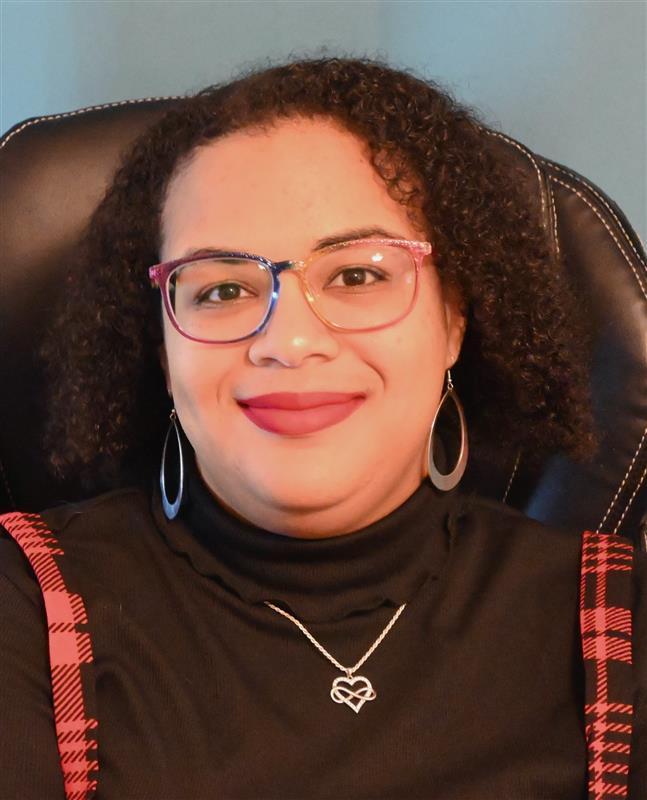
Shannon Cunningham, WARM Line program coordinator
How does your work inspire you and/or impact your soul?
My work inspires me by allowing me to honor the legacy of resilience and advocacy that Black leaders before me have paved. As a Black woman in social work and addiction services, I see the transformative power of representation and equity every day. Supporting individuals on their journeys to recovery and stability is deeply personal — it’s a reminder that systemic change begins with compassionate, grassroots-level work.
What impacts my soul most is witnessing moments of breakthrough for individuals who’ve felt overlooked by society. Their courage to keep going motivates me to challenge unjust systems and advocate for inclusive policies. Knowing that my work contributes to creating safer, more supportive spaces for marginalized communities, especially those who share my identity, fills me with a sense of purpose. It’s not just a job; it’s a calling that celebrates the progress and power of our collective history.
How does Black and African American's labor support social justice, liberation, and resistance?
Black and African American labor has always been at the forefront of social justice, liberation, and resistance. From organizing during the Civil Rights Movement to the ongoing advocacy for equity and inclusion, this labor reflects resilience and a commitment to systemic change. Community-building efforts, protests, grassroots movements and policy advocacy led by Black individuals have laid the foundation for progress across society.
This work is often rooted in lived experiences, making it deeply impactful. Whether through creating mutual aid networks, amplifying marginalized voices or challenging discriminatory practices, Black labor consistently pushes for accountability and transformation. Furthermore, the cultural contributions and innovations of Black communities serve as powerful tools for resistance and empowerment, inspiring others to join the fight for justice.
Black labor is not just about surviving oppressive systems; it’s about reimagining and building a more equitable world for future generations.
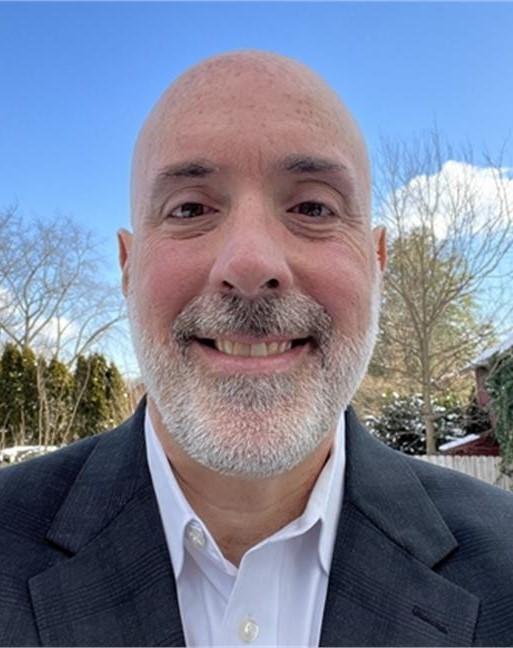
Jim Mays, manager of project management
What Black and African American laborer in health care/medicine or other professional field inspires you and why?
Dr. Mae Jemison is a physician and scientist who, in 1992, became the first Black woman astronaut. Jemison received her medical degree in 1981 and worked as a general practitioner. In 1985, Jemison made a career change to follow her dream. On June 4, 1987, Jemison became the first Black woman admitted into the NASA astronaut training program. Jemison flew into space on Sept. 12, 1992, with six other astronauts aboard the Endeavour. Jemison was inducted into the National Women’s Hall of Fame in 1993. She is also a member of the National Medical Association Hall of Fame and the International Space Hall of Fame. One of her memorable quotes is, “Never limit yourself because of others’ limited imagination; never limit others because of your own limited imagination.” For me, this quote is inspirational and motivating and encourages us to aim high.
For more information about WellSpan’s observation of Black History Month, please visit the DEI Resource Page.
